Around ages 2 to 3, many parents begin facing a common parenting milestone: potty training.
Every child becomes ready for potty training at a different time. Some children quickly learn to express when they need to use the bathroom, while others need more time, reassurance, and a sense of security.
The truth is, there is no “standard” timeline for potty training, and there is no need to rush. Every child has their own pace. Finding the right approach matters more than when you begin.
This stage is not about moving quickly. It is about gently walking alongside your child until the day they are truly ready.
Here are 5 practical tips to help you and your child move through potty training with more ease and confidence.
1️⃣ Focus on Readiness, Not Age
If your child shows some of the following signs, they may be getting ready to begin potty training:
- Their diaper stays dry for longer periods of time
- They show interest in the toilet or in watching adults use the bathroom
- They can say “pee” or “poop,” or use gestures to communicate
- They seem uncomfortable when their diaper is wet
- They can understand simple instructions
2️⃣ Use Training Pants as a Transition to Give Your Child a Sense of Security
For little ones, diapers are not just something that absorbs pee. They also provide a sense of familiarity and control. If a child is suddenly switched to underwear before they are ready, they may feel pushed too quickly into the next step, which can lead to resistance or even holding in pee.
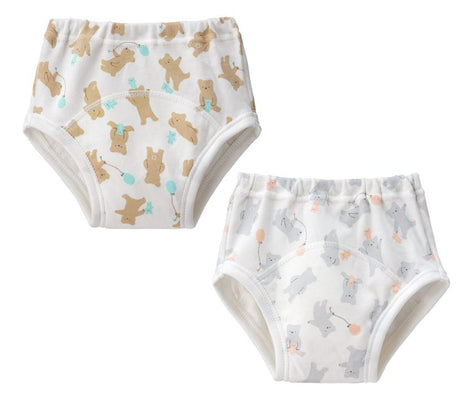
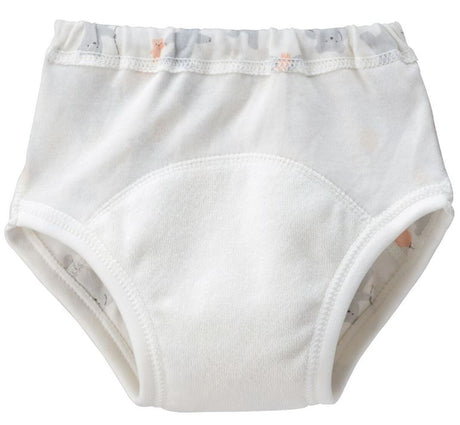
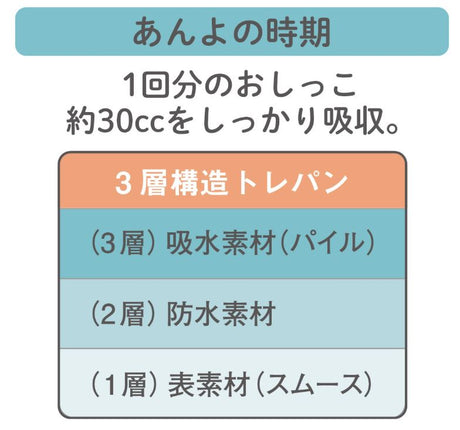
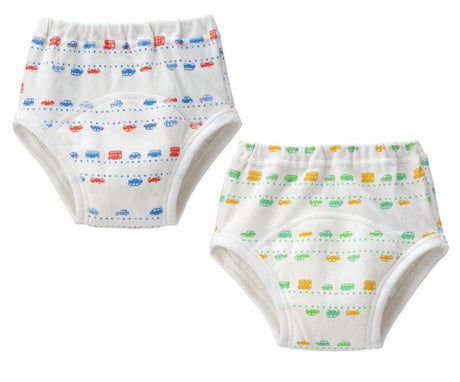
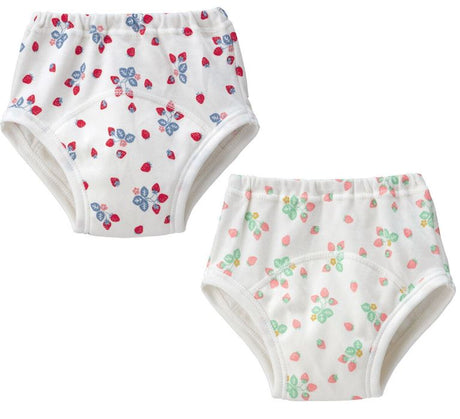
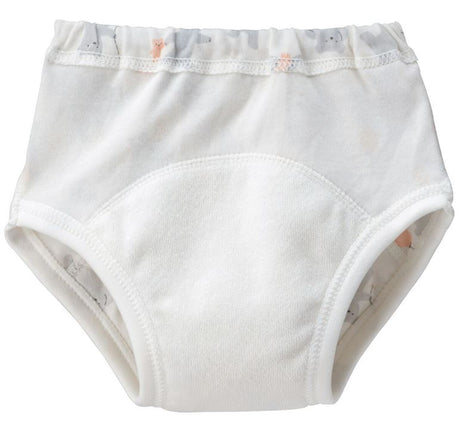
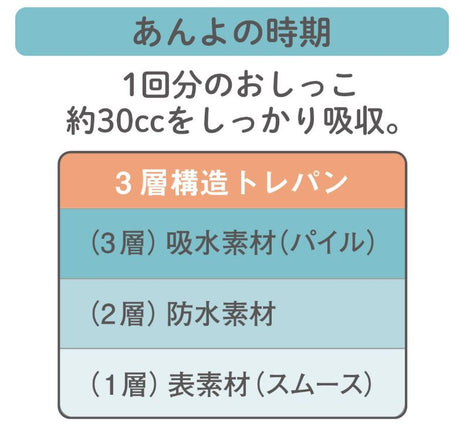
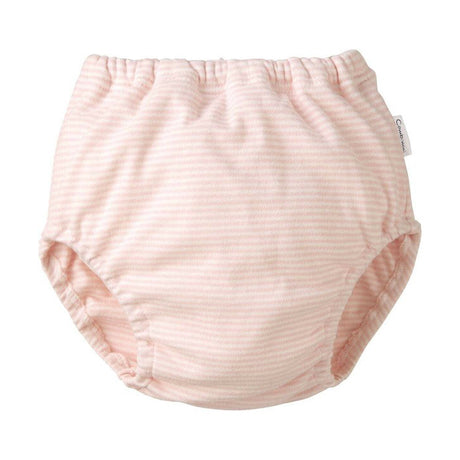
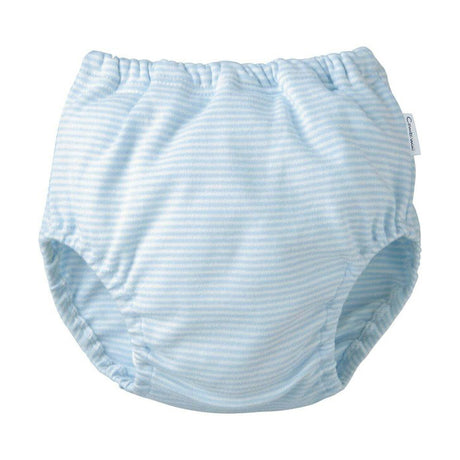
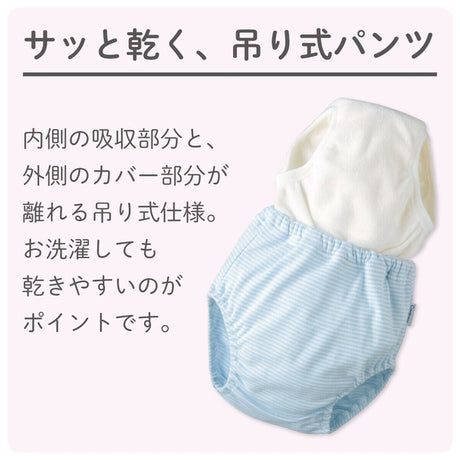
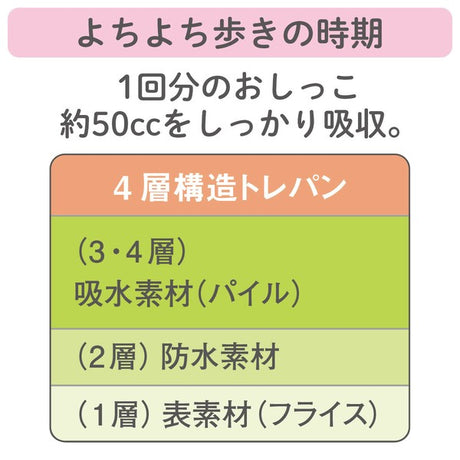
Training pants are a helpful bridge between diapers and underwear. They are designed to feel more like underwear while still offering light absorbency. This allows children to notice when they are wet and slowly build a connection with their body’s signals.
At the same time, training pants are usually soft and comfortable, making it easier for children to move, play, and go about their day without feeling burdened.
When children are allowed to learn at a pace that feels comfortable and manageable, rather than being asked to change suddenly, they gain a stronger sense of both physical and emotional security.
3️⃣ Start at Home First — There Is No Need to Succeed Outside Right Away
One of the most important parts of potty training is the "environment".
Home is the safest and most familiar place for your child, which also makes it the easiest place to begin.
You can start by practicing at home, then slowly move on to short outings, and eventually work toward longer trips outside the house.
4️⃣ Use Picture Books to Help Your Child Understand Using the Bathroom
For young children, the idea of “going to the bathroom” can feel quite abstract. They may not fully understand what it means or what they are supposed to do.
Picture books can be a gentle and helpful way to introduce the idea. Through stories, children can begin to understand what using the bathroom means, what steps are involved, and how this new habit is connected to growing up.
Instead of feeling like something they are being forced to do, potty training can become something they slowly understand and feel more comfortable with.
5️⃣ Most Important: Encourage Instead of Scolding
There will definitely be accidents during the potty training process. But instead of scolding, what matters most is letting your child know, “It’s okay. We can try again.”
Use encouragement instead of blame. Do not shame, criticize, or compare.
❌ “Why did you pee again?”
✔ “It’s okay. Let’s change and clean up.”
❌ “Didn’t I tell you to go to the bathroom?”
✔ “We can try again next time.”
❌ “So-and-so already knows how to do it.”
✔ “You’re already learning to remind yourself. That’s wonderful.”
When children feel supported instead of pressured, their sense of security grows. They are also more willing to keep trying.
Potty training is not a race.
It is okay to go slowly.
It is okay to go back and forth.
Every step you take alongside your child is part of how they learn, grow, and become more independent.
More Potty Training Essentials & Books
A Little Tip
Training pants are a transitional product between diapers and underwear, designed to help children practice using the toilet during the potty training stage.
They look like underwear and are easy for children to pull up and down on their own, while still offering light absorbency for small accidents. At the same time, they allow children to feel when they are wet, helping them build awareness of their body’s signals.
Training pants are an important step in helping children move from diapers to underwear with more confidence and comfort.